Start with the four inputs that actually change the answer.
Passport, destination, purpose, and timing create the starting frame for any meaningful entry research.
Use this as a research checklistHome/Resources
Planning field notes
This resource hub shares the practical thinking behind passport-aware preparation: how to scope a route, organize documentation, and use official information responsibly.
The planning library
These are working frameworks, not immigration advice. Rules and official processes can change, so always confirm final requirements directly with the relevant authority.
Passport, destination, purpose, and timing create the starting frame for any meaningful entry research.
Use this as a research checklistKnow why each record may matter, which route it supports, and when it becomes relevant in the process.
Organize the preparation workPlan the work around deadlines, booking dependencies, and the moments when a traveler needs clarity.
Map the planning sequenceA broad country page is a starting point. The practical question is what applies to this passport and trip purpose.
Frame better source reviewSupport becomes more useful when the traveler, adviser, and coordinator can discuss the exact same context.
Create a clearer handoffTools can make preparation clearer. Authorities and qualified professionals still make official decisions and provide formal advice.
Set expectations early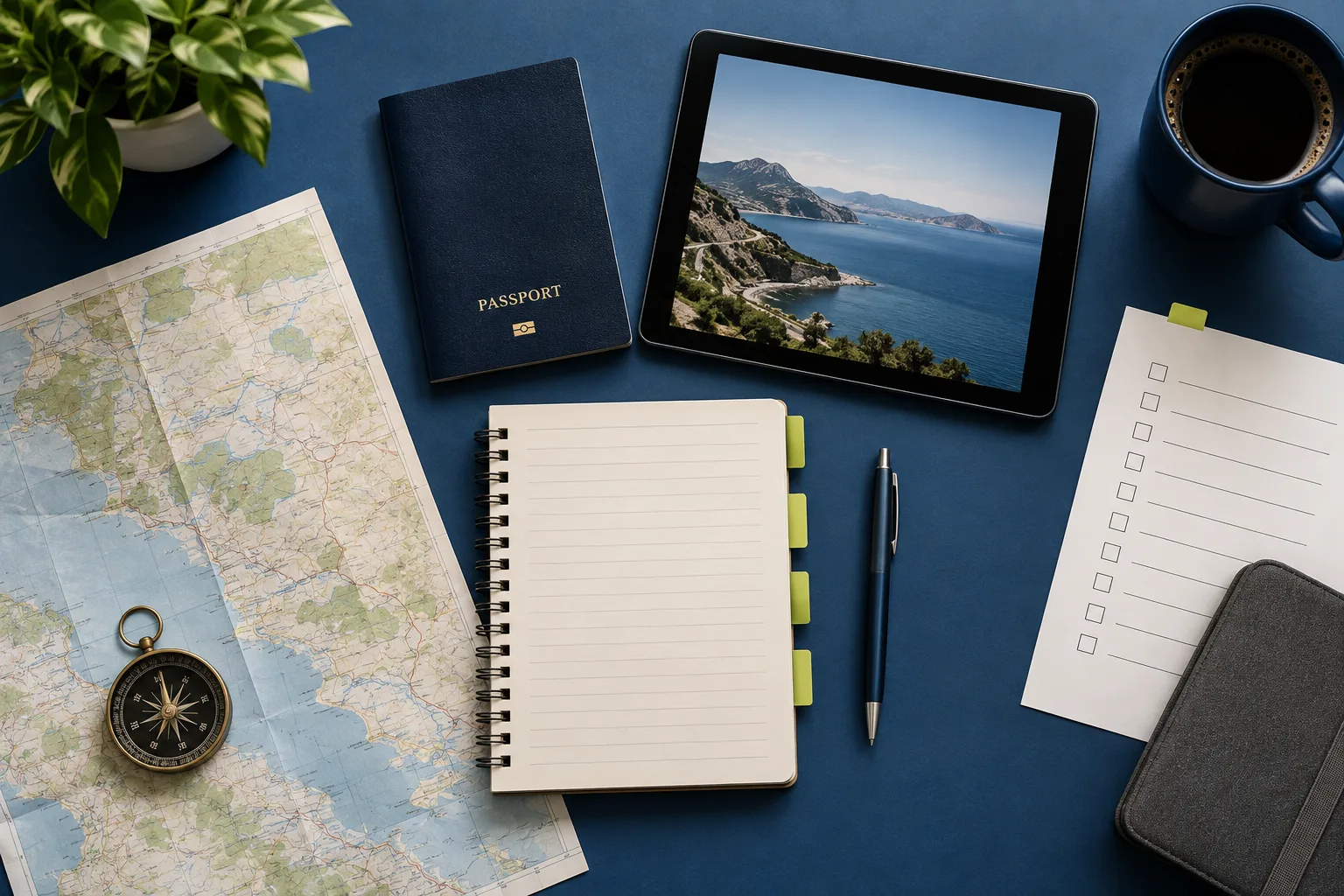
A useful trip record connects the route, the sources, and the work still to do.
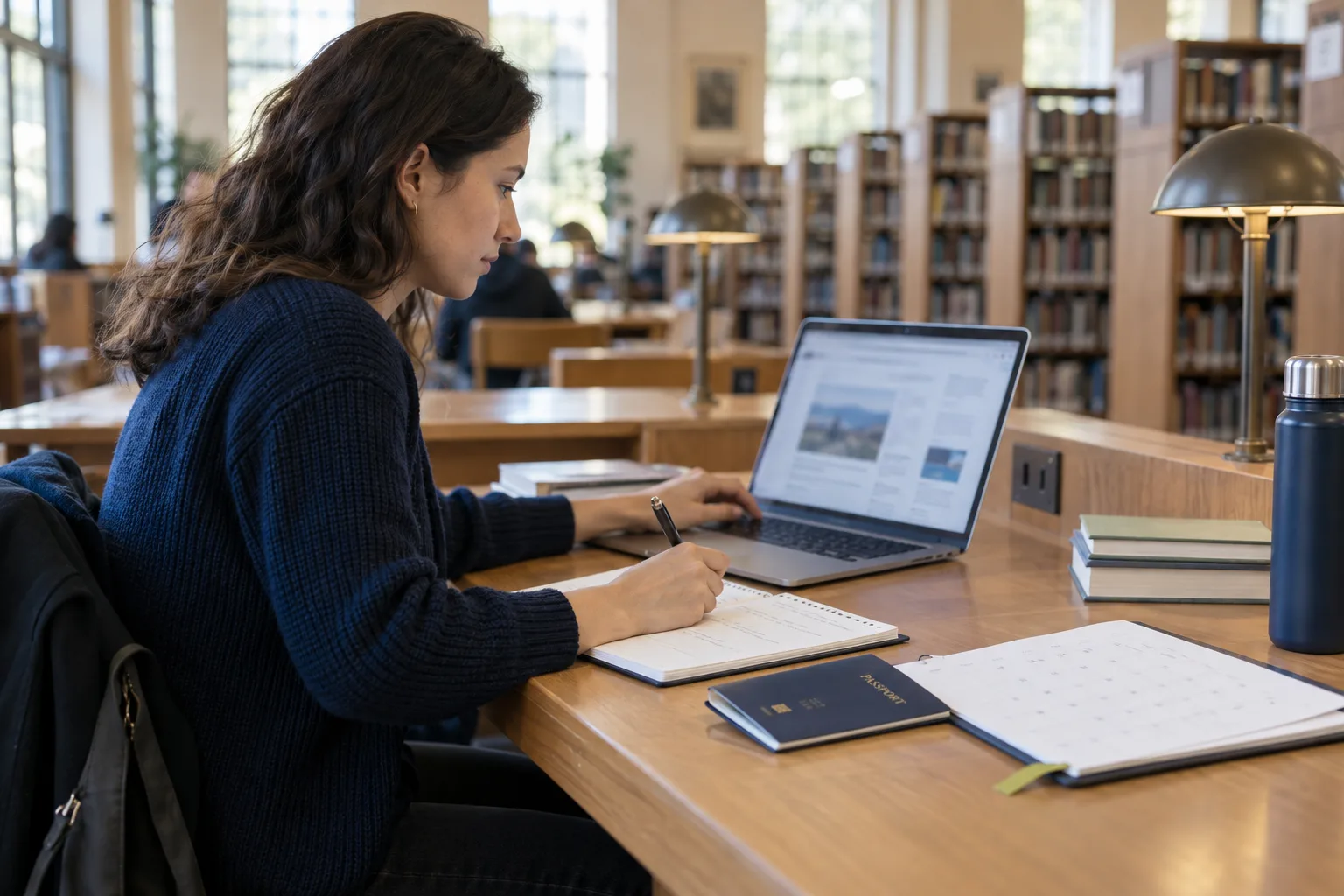
Good research turns changing information into specific questions and actions.
A useful research sequence
The goal is not to collect every detail. It is to identify the information that changes what the traveler should prepare and when they should do it.
Write down who is traveling, where they are going, why they are going, how long they intend to stay, and the travel window they have in mind.
Use the appropriate government or diplomatic authority as the final reference point. Pay attention to the details that may vary by passport and purpose.
Convert the information into a record of documents, timing, dependencies, and questions that need to be resolved before the next decision.
Changes to dates, accommodation, travel purpose, or border rules can change the preparation picture. Treat the plan as a working record.
What to keep in a trip record
A trip workspace should make it clear what is known, what is assumed, and what needs a source or a follow-up.
Resource questions
Bring the framework into the work